
Winter Hunting Preparation: How to Tackle the Cold Weather Challenges
Dec 11,2025 | CHN Archery
Winter Hunting Preparation: How to Tackle the Cold Weather Challenges
Winter hunting, especially when using a bow, is one of the most rewarding and challenging outdoor activities. Unlike other seasons, winter hunting demands more preparation due to cold temperatures, slippery terrain, and the potential for snow or ice. Whether you're using a compound bow or a recurve bow, winter hunting presents unique challenges that require careful planning, specialized equipment, and a deep understanding of how cold weather can affect both your gear and techniques.
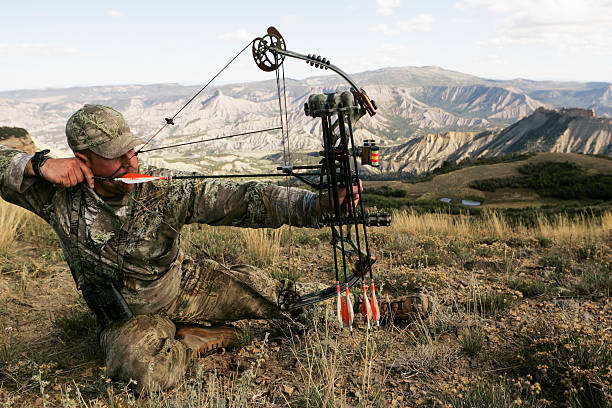
1. Maintaining Equipment Stability: Bow and Arrow Adaptation to Cold Weather
Cold temperatures can significantly affect the performance of your bow, particularly when it comes to compound and recurve bows. Sudden temperature drops can change bowstring tension and affect the stability of your bow. To ensure peak performance in cold conditions, it’s crucial to focus on equipment maintenance and make informed choices when selecting gear.
Choose a Bow Suited for Low Temperatures
The material and construction of your bow play a significant role in its performance during the winter. High-performance compound and recurve bows made from materials like aluminum alloy, carbon fiber, or reinforced fiberglass are better able to withstand temperature fluctuations. For example, a carbon fiber compound bow is not only lightweight but also offers superior resistance to extreme temperatures, making it ideal for winter use.
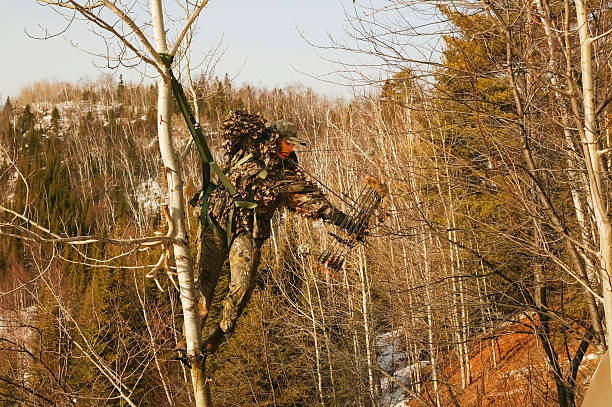
Bowstring Care and Selection
The bowstring is one of the most critical components that affects shooting accuracy. Cold weather can cause bowstrings to lose tension and performance. Using durable, cold-resistant bowstrings like (B55 Flemish Twist Bow String) ensures consistent performance even in freezing temperatures. Regularly cleaning your bowstring and removing any snow or moisture buildup is essential to maintaining optimal shooting conditions.
Regular Bow Inspections and Lubrication
Cold temperatures can cause the metal parts of your bow to contract and expand, increasing wear and tear. Make sure to regularly lubricate the moving parts of your bow, particularly on compound bows with adjustable cams. Using specialized bow oil for the metal components helps prevent rust and ensures smooth functioning, even in harsh conditions.
2. Selecting the Right Arrows and Accessories
The type of arrow you use can also impact your winter hunting success. Lighter arrows may not fly as steadily in cold conditions, so it’s best to opt for heavier arrows that maintain their trajectory and power.
Arrow Selection for Cold Weather
In winter, it's best to choose heavier arrows that maintain a more consistent flight path and offer better penetration, especially when hunting larger game like wild boar or deer. These arrows provide more energy, ensuring they reach their target even in cold, dense environments.
Arrow Protection: Quivers and Cases
In snowy or wet conditions, keeping your arrows dry is essential for maintaining their performance. Use a waterproof arrow quiver to protect your arrows from snow and moisture, ensuring that your equipment stays in top condition throughout your hunting trip.
.jpg?w=3000&h=3000)
3. Winter Hunting Game and Ideal Locations
Winter hunting is not just about the challenges—it’s also about selecting the right game and the best locations to hunt. Many animals are more active in the winter, making this an optimal time for hunters to take advantage of specific species' habits.
Best Game to Hunt in Winter
Certain animals thrive in colder conditions, making them ideal targets for winter hunting:
White-tailed Deer
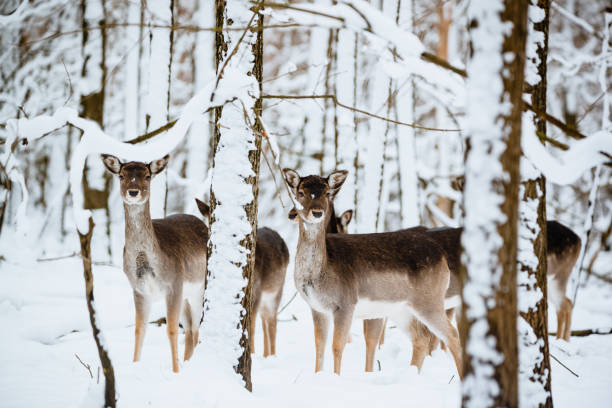
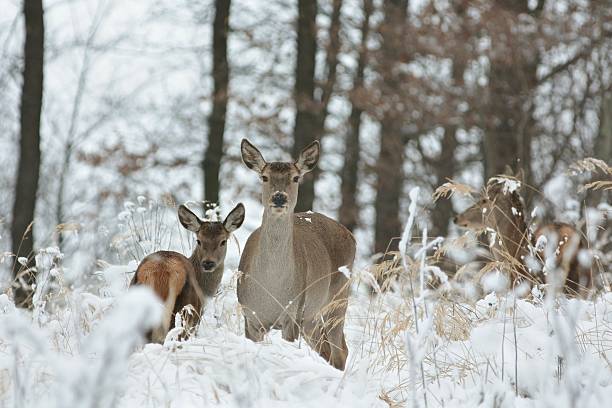
White-tailed deer are one of the most popular winter hunting targets. During winter, they tend to move toward areas with thicker cover, like forests and wooded hillsides, to forage for food. Using a thermal scope or a night vision scope can help you easily identify deer from a distance, especially in low-light conditions.
Wild Boar
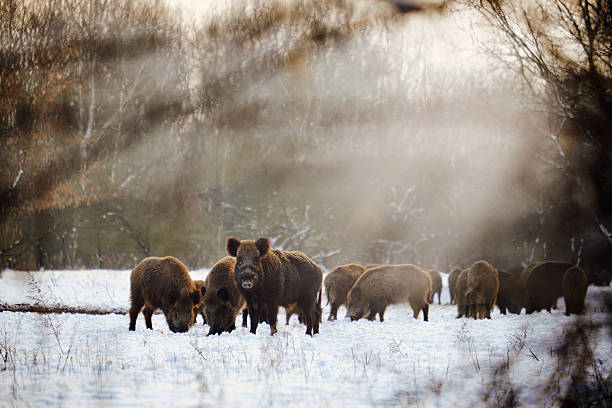
Wild boar remain active during the winter and can be found in forested and swampy areas. They leave clear tracks in the snow, making them easier to track. Hunters can use a powerful compound bow for long-range shots to take down these tough animals.
Hare
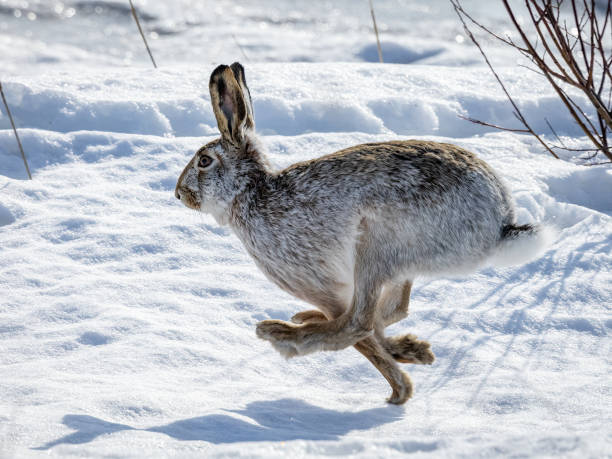
In snowy regions, hares are often a common and accessible game for winter hunters. Their tracks are easy to spot in the snow, and they typically remain in wooded areas. Using compound bows with fast-shooting heads is perfect for quick, precise shots on smaller game like hares.
Best Hunting Locations in Winter
Mountain Ranges and Forest Edges
-
Mountain Ranges and Forest Edges
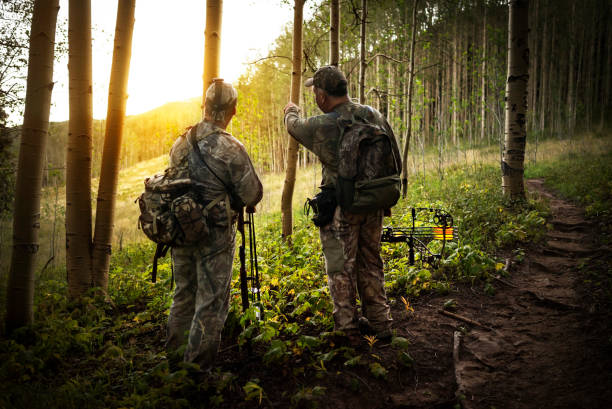
During winter, many animals migrate toward higher elevations or dense forests, seeking shelter and food. These areas provide perfect cover and food sources for deer, wild boar, and other game. Be sure to scout mountain ridges or thick forests to find these areas where game is likely to congregate.
- Near Water Sources
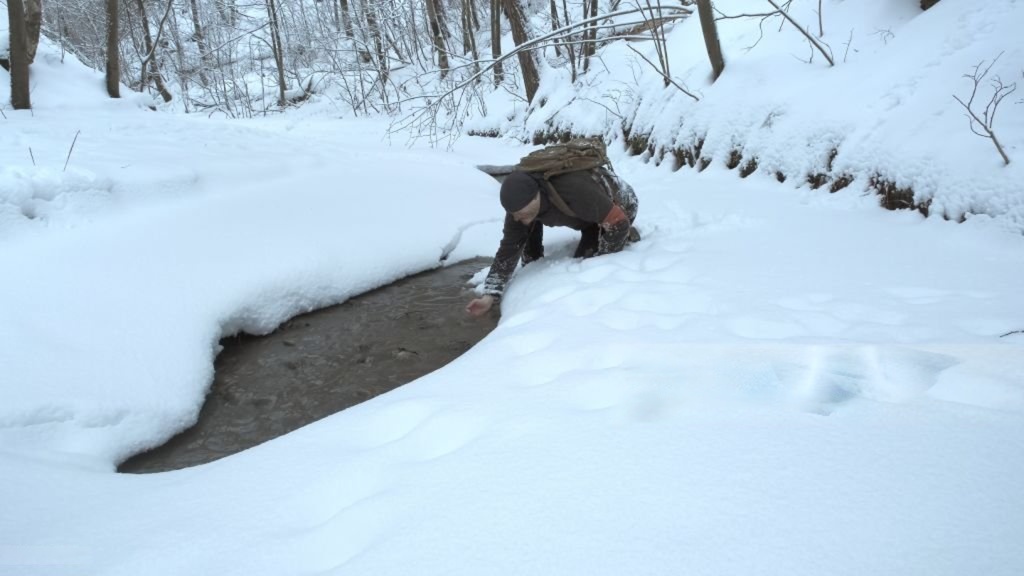
Animals, even in winter, need water to survive. Hunting near water sources, such as lakes or rivers, is a proven strategy. Animals like deer and wild boar often drink from these places. Use the natural terrain to your advantage and set up near these locations for a higher chance of success.
-
Woodland Clearings and Snow Tracks
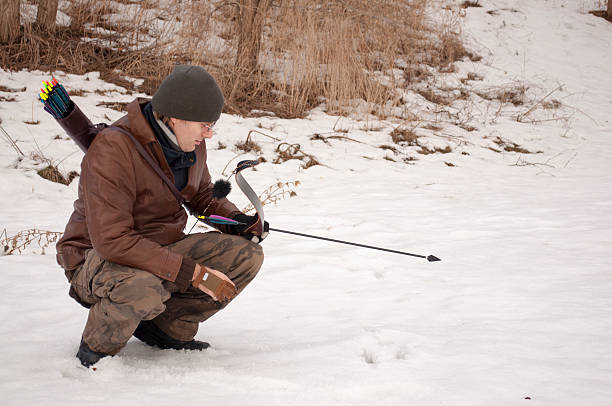
In snow-covered areas, animal tracks are a valuable tool for tracking game. Use these tracks to follow the movement of animals and predict their paths. Setting up ambushes near known trails or food sources increases your chances of success. Pay attention to animal movement patterns during snowstorms and cold spells.
4. Hunting Techniques and Mental Preparation
Winter hunting not only tests your physical endurance but also your mental toughness. The cold can wear you down, but staying patient and focused will increase your chances of success.
Adjusting Your Shooting Form and Aim
Cold temperatures can cause your fingers and muscles to stiffen, which may affect your accuracy. To prevent this, ensure you’re doing thorough warm-ups before hunting. Focus on your shooting posture and ensure you maintain consistent shooting form even when the cold starts to affect your movements. Pay attention to your bow’s draw weight as well, as colder temperatures may alter the resistance.
Mental Toughness
Winter hunting is as much a mental game as it is a physical one. The cold and the long waits can make you feel fatigued, but keeping your focus and a positive mindset will help you endure through tough conditions. Prepare mentally for the fact that success may not come easily, but with persistence and preparation, your chances of taking down game will increase.
Conclusion
Winter hunting is an excellent opportunity to connect with nature, but it requires careful preparation and the right gear. From selecting the appropriate bow, arrows, and accessories, to understanding the best hunting locations and animal behavior in winter, there’s much to consider before you venture out. By following these tips, you'll be better equipped to take on the challenges of winter hunting and enjoy the thrill of the hunt.
If you’re preparing for your winter hunting adventure, be sure to check out our recommended gear, including compound bows, recurve bows, arrows, and accessories. Our high-quality products will ensure you stay prepared, no matter what the winter weather throws your way.