
2027 World Archery Championships: Medellín and LA28
Oct 16,2026 | CHN Archery
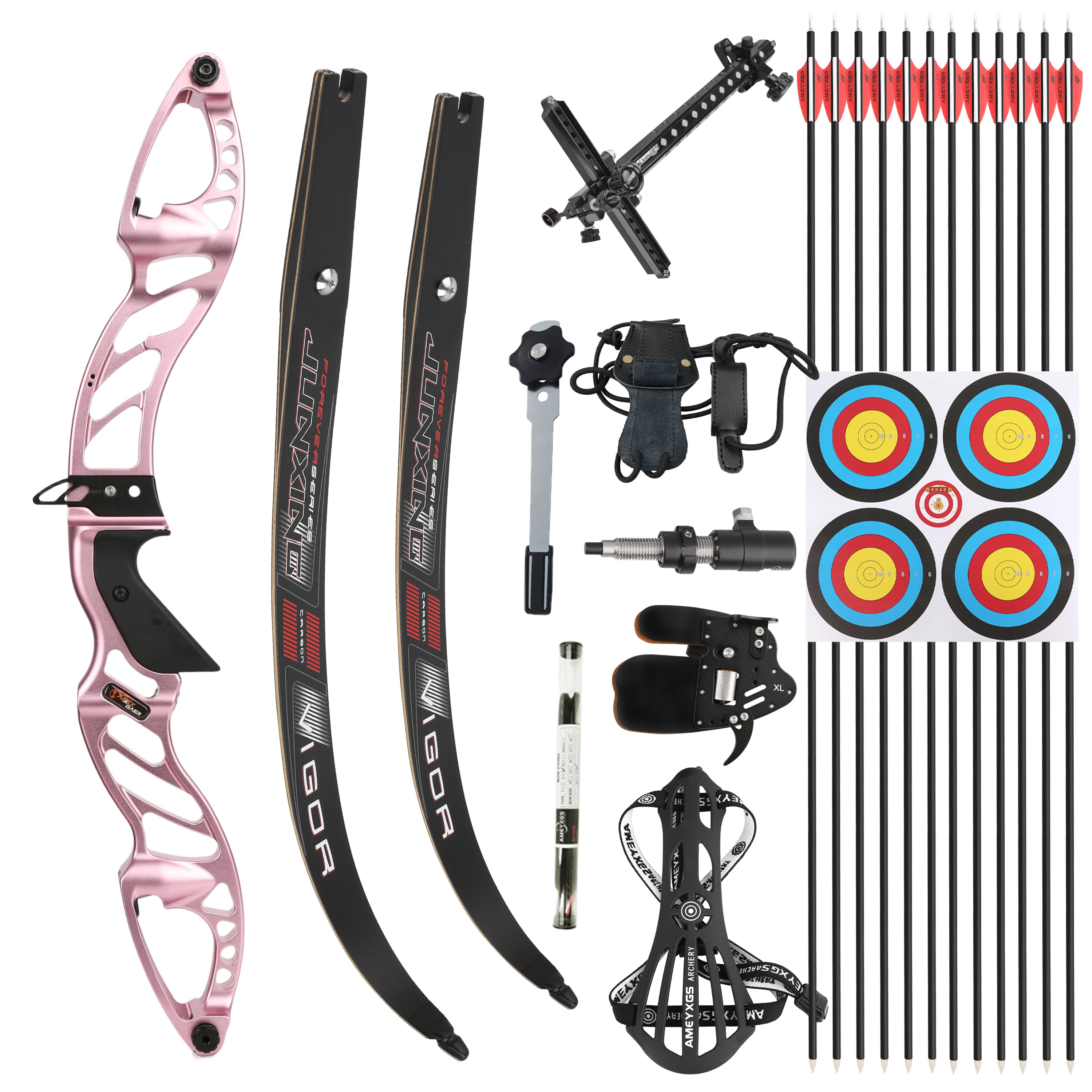
The 2027 World Archery Championships in Medellín are confirmed for September 20–27, 2027, and will be a major LA28 qualification event. For target archers and fans, this guide explains the updated dates, recurve and compound formats, and useful training lessons. CHN Archery sells equipment for several archery styles; the products below illustrate setup choices and are not presented as official championship equipment.
1. Understand the event: recurve, compound and LA28
Medellín will host the first World Archery Championships held in South America. This is the senior outdoor target championship, where recurve and compound archers compete for world titles. It is separate from the annual Archery World Cup circuit, which has multiple stages and a season final. A World Cup result and a world championship result therefore mean different things when you read an athlete’s record.
LA28 adds compound mixed team to the Olympic program alongside the five recurve events: men’s and women’s individual, men’s and women’s team, and recurve mixed team. A mixed team pairs one woman and one man from the same nation. Compound individual world titles remain important, but they are not additional Olympic medal events on the announced LA28 program.
Competition specifications: what you see on the target
| Specification | Recurve target archery | Compound target archery |
|---|---|---|
| Outdoor distance | 70 m | 50 m |
| Target face diameter | 122 cm | 80 cm; outer four rings usually removed |
| 10-ring diameter | 12.2 cm | 8 cm |
| Ranking round | 72 arrows | 72 arrows |
| Match scoring | Set points | Cumulative arrow scores |
| Mixed team regulation arrows | Four per set | 16 per match |
These are the standard international outdoor formats described in World Archery’s recurve guide and compound guide. Read the championship’s final event documents for its detailed timetable and procedures.
A recurve archer releases the string with the fingers, usually protected by a finger tab. A clicker provides a draw-length reference; the plunger, or pressure button, gives adjustable lateral support to the arrow. A compound uses cams and a release aid. Let-off describes the reduction from peak draw weight to holding weight at full draw. These differences explain the equipment you see without making either discipline effortless.
Watch: World Archery’s introduction to the recurve bow.
Open the official recurve explainer on YouTube.
2. The real problem: dates, quotas and athlete selection get mixed together
The clearest current date announcement is World Archery’s July 6, 2026 Executive Board calendar update. It confirms September 20–27 for the championships, after Congress on September 17–18. Other online references contain different dates, so check the latest event notice again before committing to travel.
Three processes matter: qualifying into a tournament’s match bracket, earning an Olympic quota for a National Olympic Committee, and selecting the athletes who eventually use that quota. They are related, but they are not interchangeable. A high ranking-round seed helps an archer’s championship campaign; it does not by itself settle Olympic selection.
The published LA28 qualification pathway gives Medellín three recurve team places per gender, three individual recurve places per gender from non-qualified teams, and three compound mixed team places. Quotas belong to National Olympic Committees, rather than named athletes. Continental events, final qualifiers and other defined pathways also matter; some multisport opportunities occur before Medellín.
For spectators, this means a medal recap may not tell the whole qualification story. Follow the official quota allocation alongside the results. For athletes, the practical implication is to read the national selection policy as well as the international qualification rules. Your country’s trials, eligibility checks and deadlines can affect your route even when an international opportunity exists.
3. What to follow—and what to prepare
Start with the ranking round. Watch whether an archer maintains the same shot routine through the final ends, rather than looking only at the highest score. Then compare that performance with head-to-head matches. Ranking rewards consistency over a long round; a short match adds the pressure of responding to an opponent and a clock.
In recurve, a poor set need not determine every later set. In compound, points lost remain in the cumulative total. That difference changes the viewing experience: a recurve score graphic tracks set points, while a compound graphic tracks the running arrow score. Before discussing a comeback, identify which system you are watching.
Mixed team offers another useful lesson: watch the exchange between partners. Notice who prepares while the other shoots, how they communicate after an imperfect arrow, and whether both keep their normal rhythm. For a club pair, learning an orderly handover can be more useful than copying an elite athlete’s equipment.
A practical preparation checklist
- Establish a baseline: record distance, target face, arrow set, sight mark and conditions. Compare like-for-like sessions.
- Write down the setup: note brace height, nocking-point position, sight settings and stabilizer arrangement before changing anything.
- Check fit: choose a draw weight you can control through the whole session. Verify draw length and hand orientation before ordering equipment.
- Practice match routines: use your competition’s actual timing and scoring rules. Include partner communication for mixed team practice.
- Plan recovery: decide what you will do after a weak arrow—let down when appropriate, reset the routine, and avoid hurried corrective shots.
- Prepare safe equipment: inspect arrows, strings and fasteners, and use a suitable target and backstop on a controlled range.
For recurve, brace height is the distance between the string and the grip’s reference point; use the bow manufacturer’s recommended range. Tiller compares upper and lower limb-to-string measurements. Neither should be adjusted by copying a photograph. For compound, peep position, D-loop fit and cam synchronization belong to an integrated setup; press work and cam adjustments should follow the exact manual and an appropriately qualified technician.
4. Common beginner mistakes and better corrections
| Mistake | Why it causes trouble | Practical correction |
|---|---|---|
| Booking around an old date listing | Travel may miss the event. | Recheck the explicit calendar decision and final organizer notice. |
| Treating a quota as a named athlete’s ticket | National selection may still be required. | Read the NOC or federation selection policy. |
| Buying the same draw weight as a finalist | Fatigue can disrupt alignment and execution. | Test a manageable setup with a coach through a full session. |
| Changing arrows, plunger and stabilizers together | You cannot identify the useful change. | Keep a baseline and alter one variable at a time. |
| Practicing on a small face and calling it a full competition simulation | Distance and face size change the task. | Label short-range technique work separately from regulation practice. |
Another common mistake is reading one good group as proof of a tune. Repeat groups under comparable conditions before drawing a conclusion. A bare shaft—a shaft without fletching—can be a useful diagnostic in a supervised recurve tuning process, but its impact also responds to the archer’s execution. Keep arrow specifications consistent and ask a coach to distinguish a setup issue from a release or alignment issue.
Never dry fire a bow. Use arrows matched to the bow and its manual, and stop when equipment is damaged. A product page’s poundage label does not prove that a target will safely stop every arrow from every bow at that draw weight; arrow energy, construction, wear and distance also matter.
5. Turn championship interest into a sensible club setup
The most useful equipment choice addresses a specific need you have already identified. Start with instruction and fit, then add components that support the discipline you want to practice. The following are store-listed options for comparison, not claims about what the Medellín finalists will use.
Learning recurve fundamentals
The Professional Recurve Bow Set lists a 25-inch aluminum riser and draw-weight options from 20 to 40 lb. Ask about the measurement basis, assembled bow length and hand orientation before choosing a variant. The listing calls its limb connection “F Interface”; confirm exact compatibility rather than assuming it is interchangeable with every ILF limb.
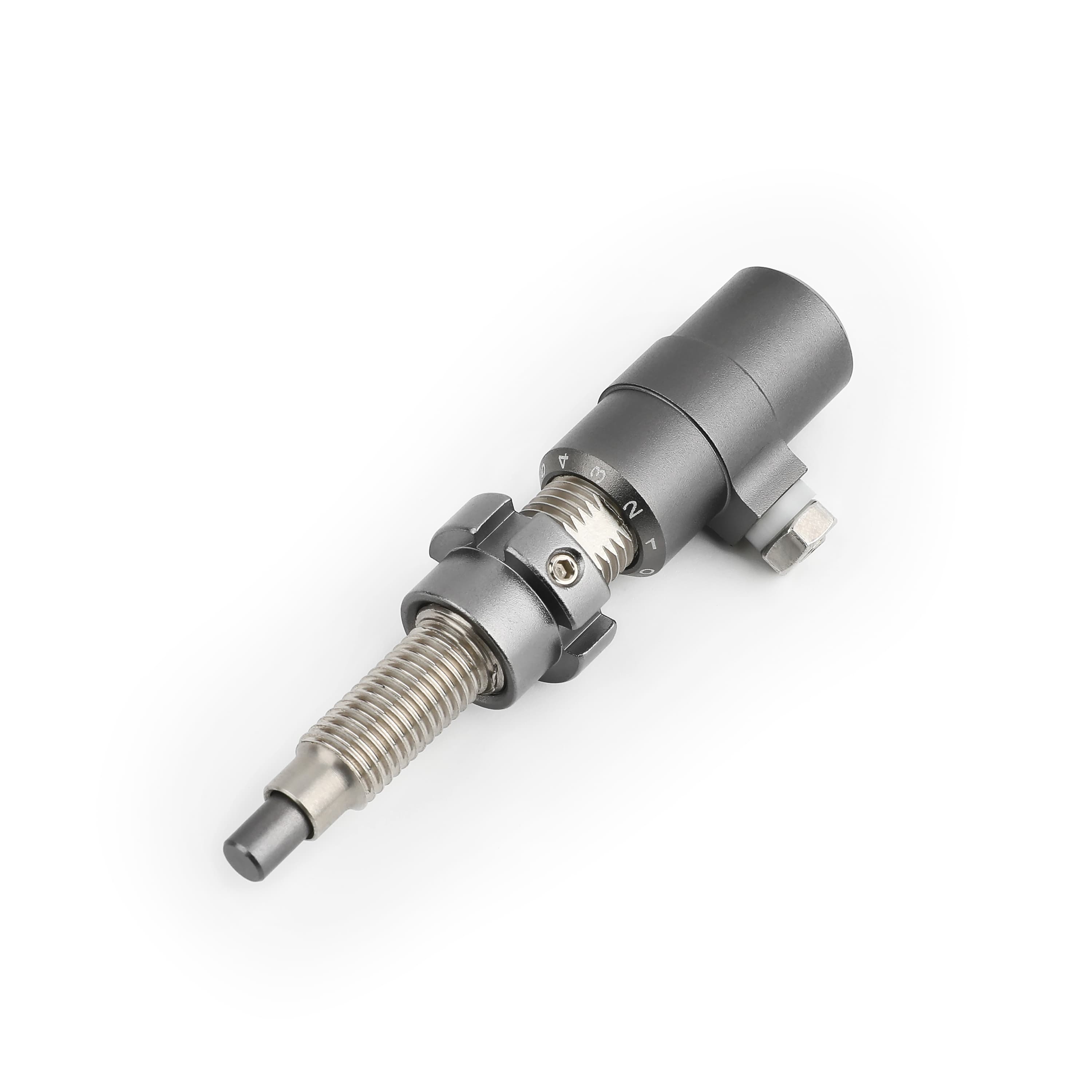
The AMEYXGS cushion plunger is intended for recurve bows with stick-on or bolt-on rests. Its three supplied spring strengths provide tuning options. Check the riser thread and required reach; start from a documented setting and evaluate changes with consistent arrows.
Balance and aiming for target practice
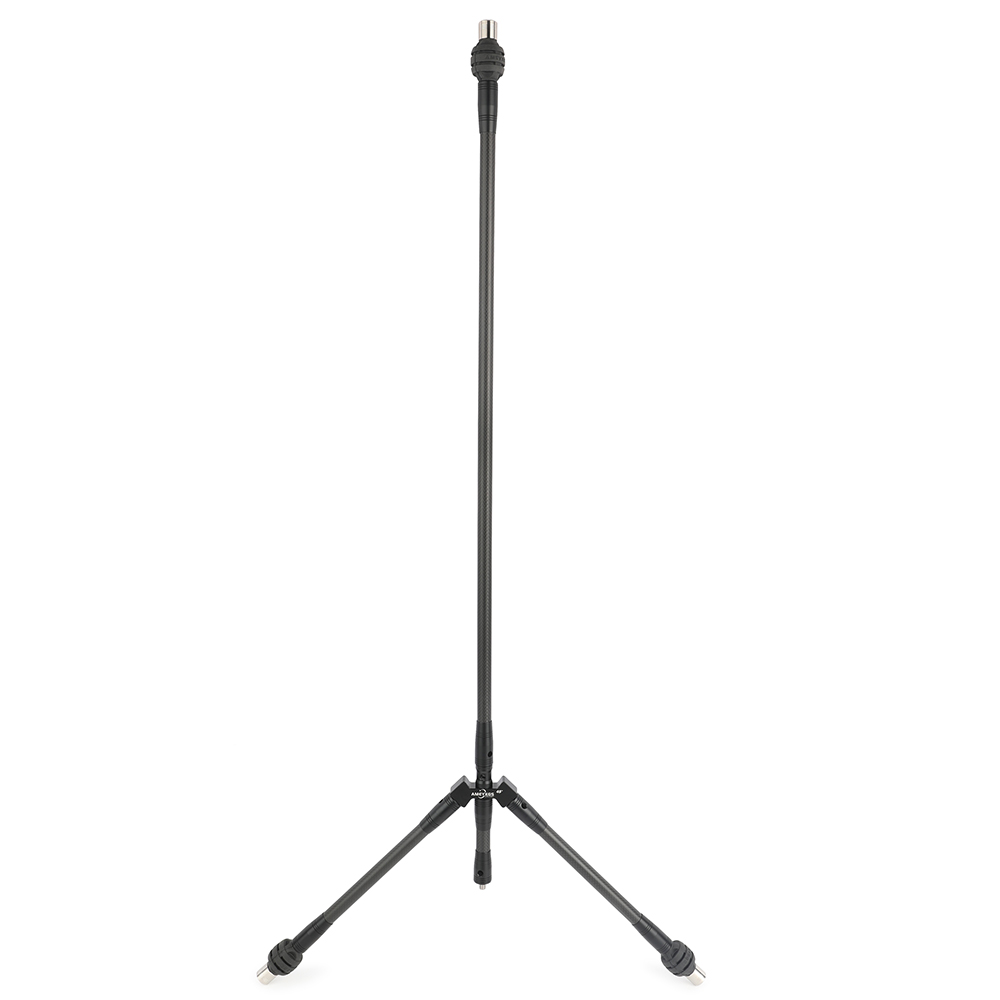
The AME carbon stabilizer set offers two rod configurations. A longer rod is not automatically the better choice: evaluate holding comfort, balance and clearance. Its listing identifies 3K carbon fiber, but that material description does not establish a measured accuracy gain.
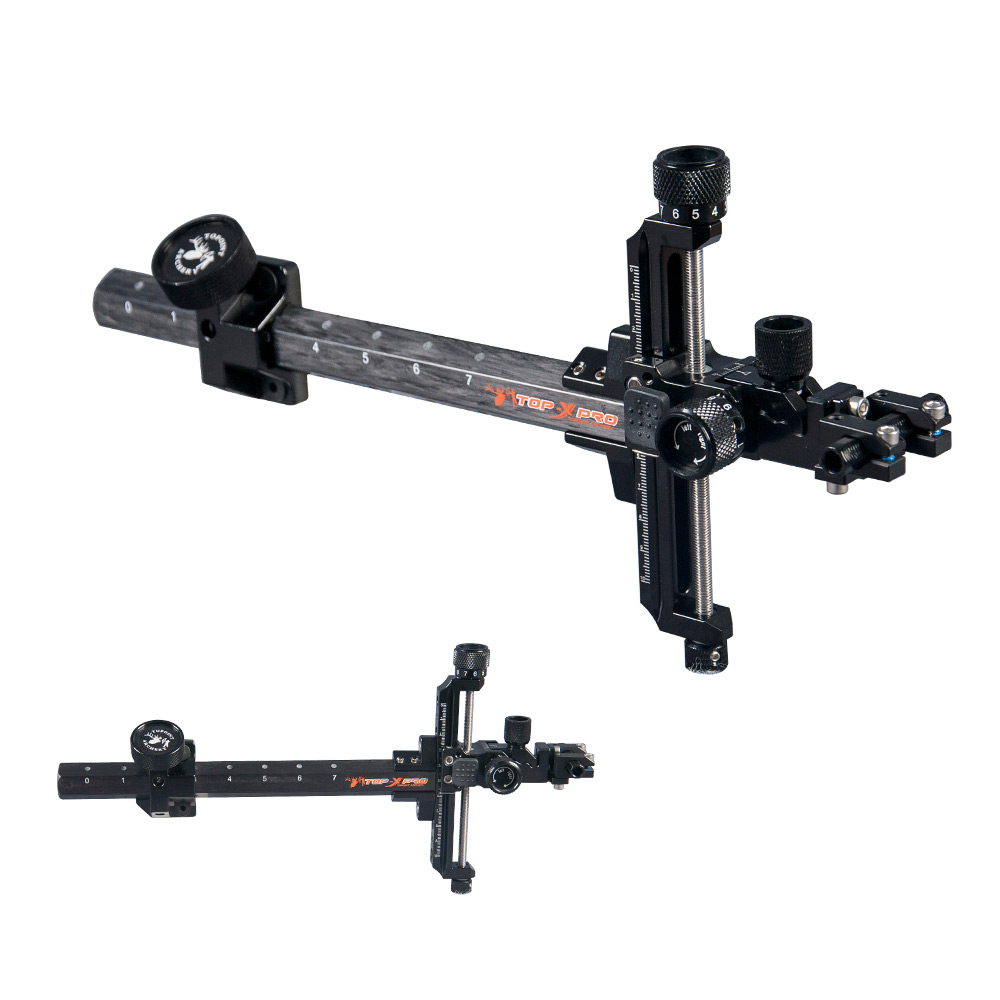
For a compound archer comparing target aiming equipment, the TOPOINT TP8810 target sight lists windage and elevation adjustment, a removable adjustable head, and right- or left-hand options. It is supplied without a scope. Confirm mounting and scope compatibility rather than treating the sight alone as a complete competition setup.
Selected equipment specifications
| Product | Specification | Listed value |
|---|---|---|
| AMEYXGS plunger | Thread / Net Weight | 5/16 inch × 24 / 24 g |
| AMEYXGS plunger | Material / Dimensions | 6061 aluminum body; stainless-steel components / 74 × 17 × 23 mm |
| AME stabilizer: 30-inch configuration | Rod Lengths | 30-inch main, two 12-inch sides, 5-inch extender |
| AME stabilizer: 28-inch configuration | Rod Lengths | 28-inch main, two 10-inch sides, 4-inch extender |
| TOPOINT TP8810 | Extension Length / Hand Orientation | 9 inches / RH or LH |
Values come from the linked store listings; choose the matching variant and confirm fit. The plunger listing describes CNC machining and an anodized finish. These are construction details, not independent test results or Olympic approval.
A target that matches the training task
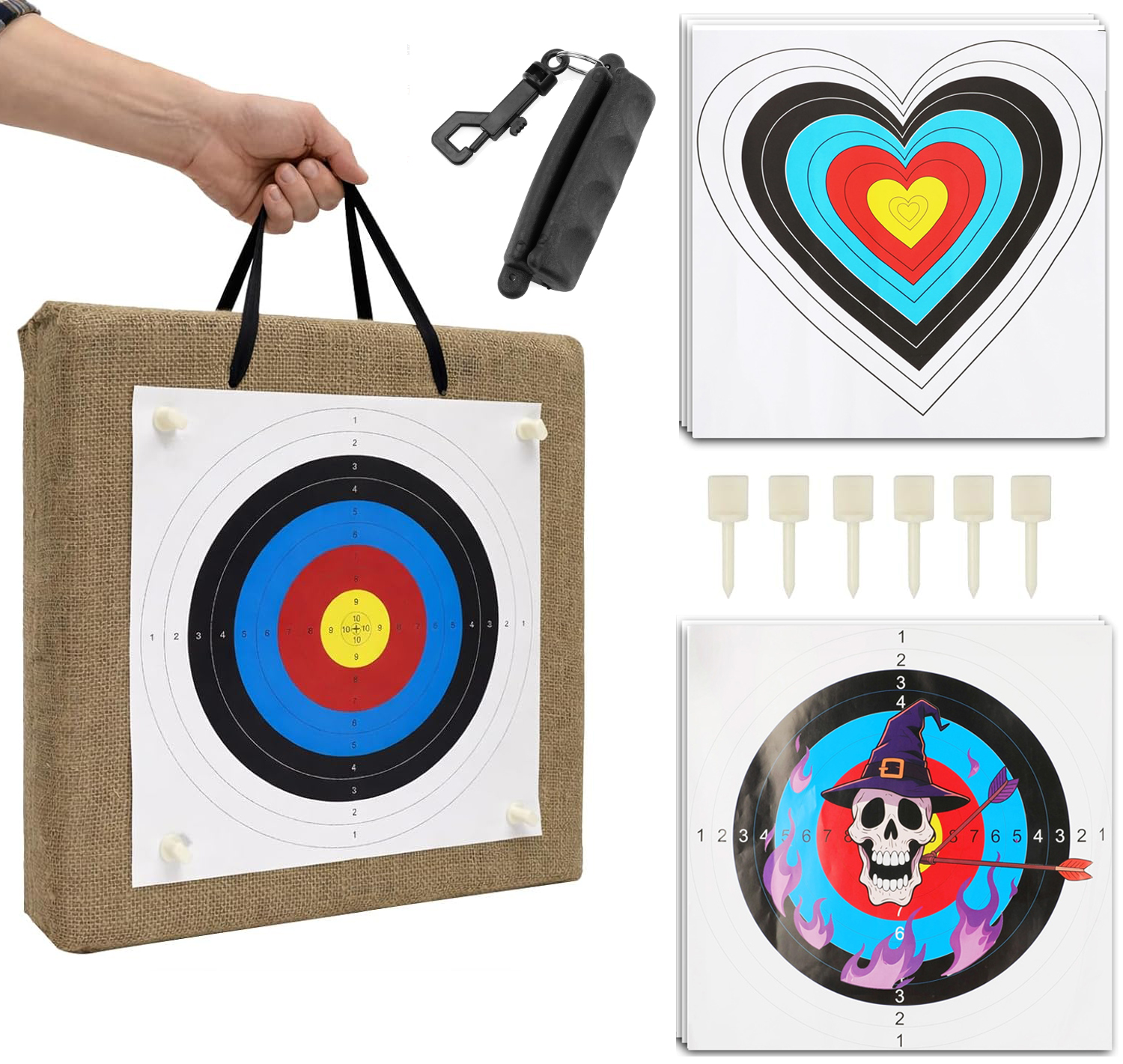
The Archery Target Kit lists straw targets in 20- and 23.6-inch sizes with several thicknesses. Confirm suitability for your actual bow, arrows and range, and provide an appropriate backstop. Use it for a clearly defined drill rather than assuming its face reproduces a 70 m or 50 m championship round.
Hypothetical club example: a pair preparing for its first local mixed team event already has safe, fitted bows. Instead of replacing both bows, they spend two sessions practicing handovers and logging shot timing. Only then do they investigate a repeatable equipment problem. This sequence makes the training decision observable and keeps purchases connected to evidence.
Watch: World Archery announces compound’s LA28 inclusion.
Open the official compound announcement on YouTube.
6. Frequently asked questions
When are the Medellín championships?
The latest explicit Executive Board calendar decision confirms September 20–27, 2027. Recheck the organizer’s final notice before booking because other online references contain conflicting dates.
Does compound’s Olympic debut include individual events?
The announced LA28 addition is compound mixed team. Compound individual titles at the world championships should not be confused with the Olympic event program.
Does winning a quota guarantee that archer will go to LA28?
The quota is allocated to the National Olympic Committee. Athlete eligibility and national selection still matter, so follow the relevant federation’s published process.
Should a beginner copy an elite archer’s bow weight?
Choose equipment you can control with a repeatable shot through a full practice session. A coach can help assess fit; watching an elite performance does not establish your appropriate draw weight.
Can short-range practice help with outdoor target archery?
Yes, it can isolate technique, timing and partner communication on a safe range. Keep those sessions distinct from regulation-distance score checks, and progress only when the range and your control support it.
7. Your next step: follow the rules, then build a repeatable routine
Put the confirmed championship dates in your calendar, distinguish world titles from Olympic selection, and watch how athletes manage their shot and partner routines. Bring one useful observation back to your own practice rather than trying to rebuild your bow after every final.
If you need a component, compare CHN Archery’s target and other bow sights against your discipline, mounting requirements and hand orientation. Ask about unclear specifications before ordering, and keep a written baseline so that every setup change has a purpose.